
Learn hplc peptide analysis for research: how peptides are separated, how chromatograms are interpreted, and what to check on a peptide COA for identity and purity context.
Articles
GHK-Cu Peptide Research Overview
Evidence-led overview of the ghk cu peptide (GHK-Cu): chemistry, common research contexts, documentation, handling considerations, and responsible R&D interpretation.
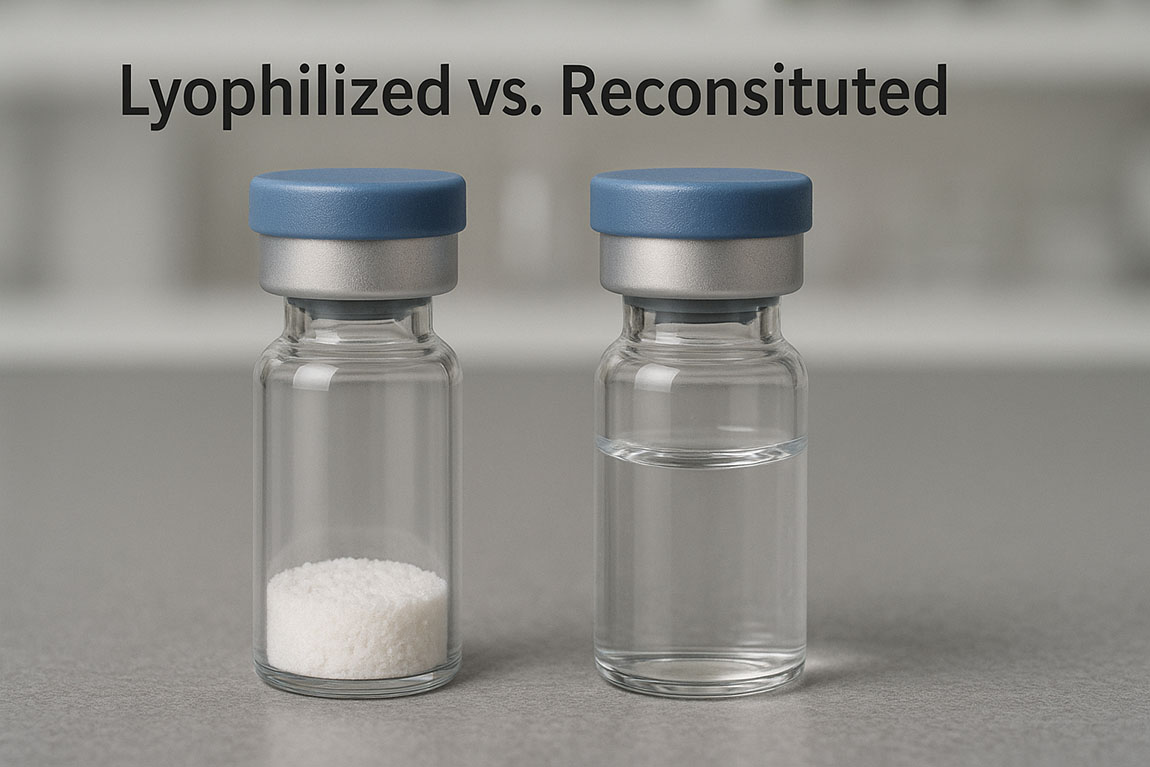
Reconstitution Basics for Research Settings
Learn reconstitution basics for lyophilised peptides in laboratory research: solvent choice, sterility, mixing, aliquoting, storage, and troubleshooting—non-clinical guidance.

Peptide Stability Explained
Peptide stability in laboratory research: what it means, what drives degradation, and practical storage and handling steps to minimise changes over time.
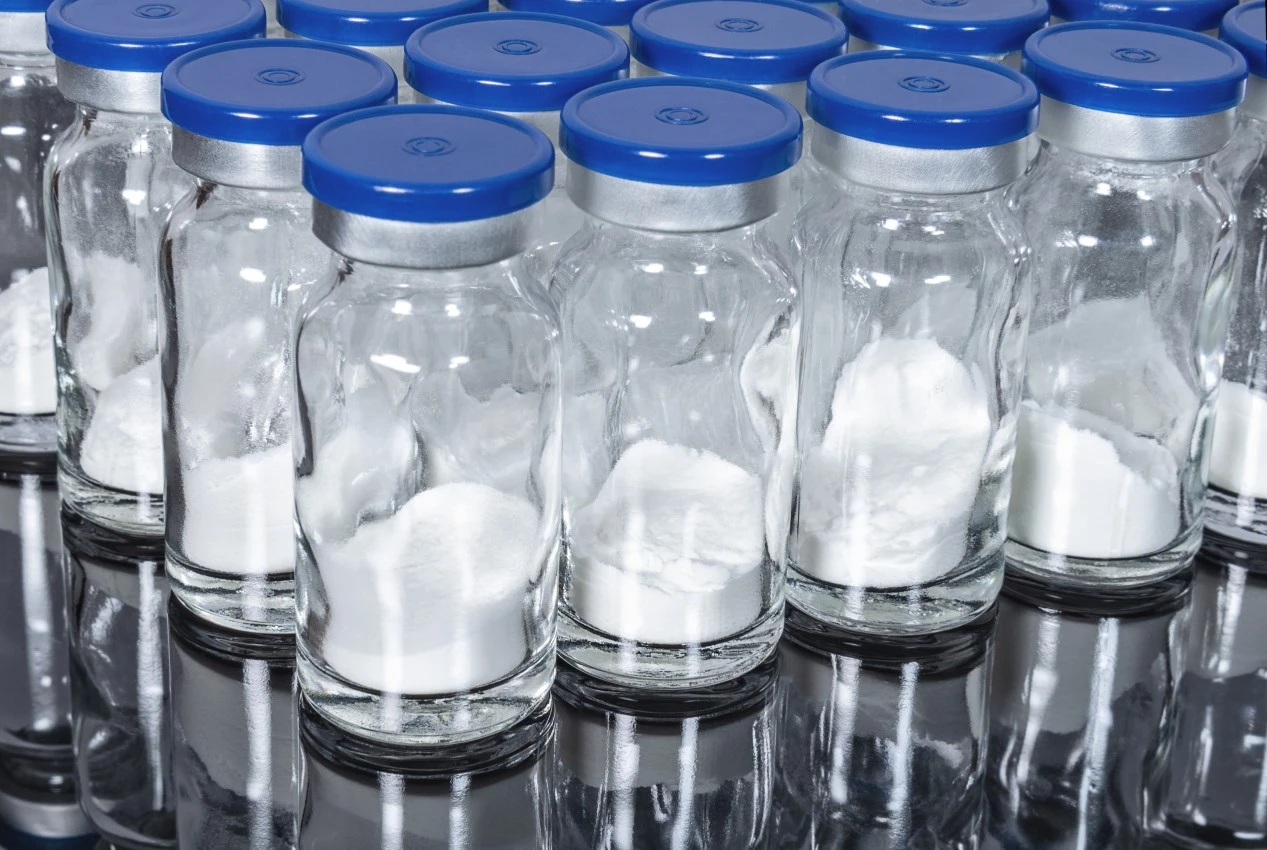
Lyophilised Peptides Explained
Learn what lyophilised peptides are, why research peptides are supplied freeze-dried, and how to handle, store, and interpret documentation for lyophilised peptide materials in laboratory workflows.

Peptide Purity Explained: What Buyers and Researchers Should Look For
Peptide purity explained for laboratory research: what “95% peptide purity” means, how HPLC/UPLC and LC-MS are used, how to interpret a CoA, and how to choose an appropriate purity level.
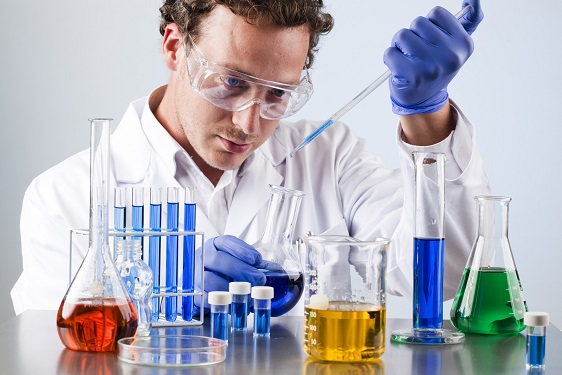
Peptide Synthesis Explained for Non-Chemists
A clear, non-technical guide to peptide synthesis for laboratory research: how SPPS works, key steps, protecting groups, purification, QC (HPLC/MS), and practical limitations.
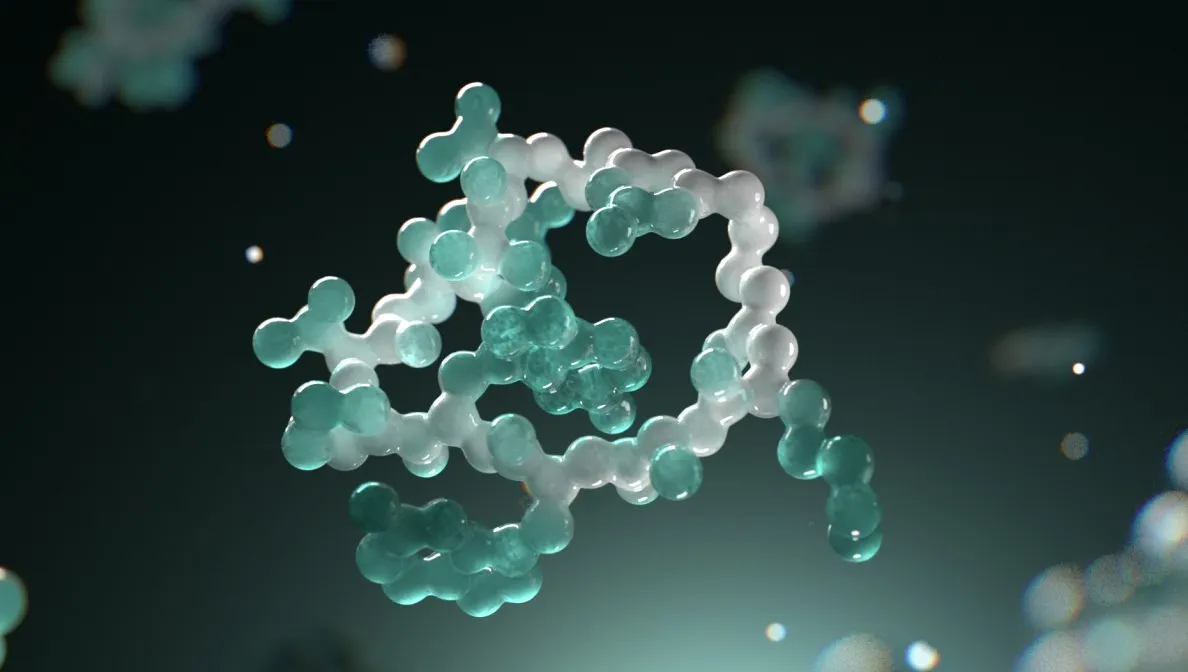
Peptide Terminology Explained: The Terms That Actually Matter
A neutral, research-focused guide to peptide terminology used in lab work, purchasing, Certificates of Analysis, and analytical methods—covering sequence notation, modifications, salt forms, purity, and MS/HPLC basics.
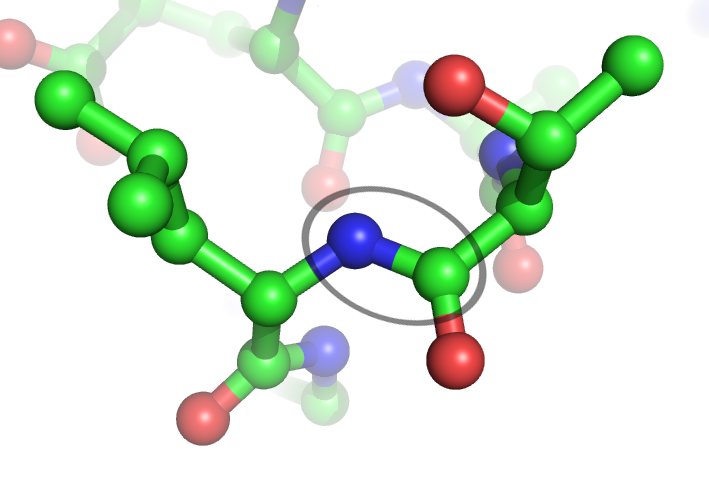
Peptide Bonds Explained in Plain English
A beginner-friendly explanation of peptide bonds: what they are, how they form, how peptide chains are named (N→C), and why they matter in laboratory research.
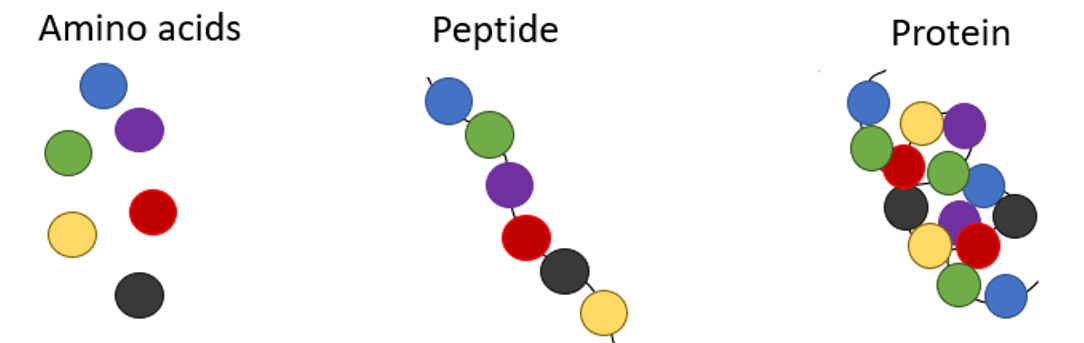
Peptides vs Proteins, What Actually Separates Them
Learn the scientific differences in peptides vs proteins: size, folding, domains, lab verification, and research uses—plus clear terminology for polypeptides.